Headlight and Taillight Tinting
Enhance & Protect Your Headlights and Taillights with Tinting
Headlight and taillight tinting involves applying a film or coating to the headlights or taillights of a vehicle to change their appearance, improve their protection, or reduce glare. While headlight and taillight tints can enhance a car’s aesthetic appeal, they must be used responsibly to maintain safety and comply with legal regulations.
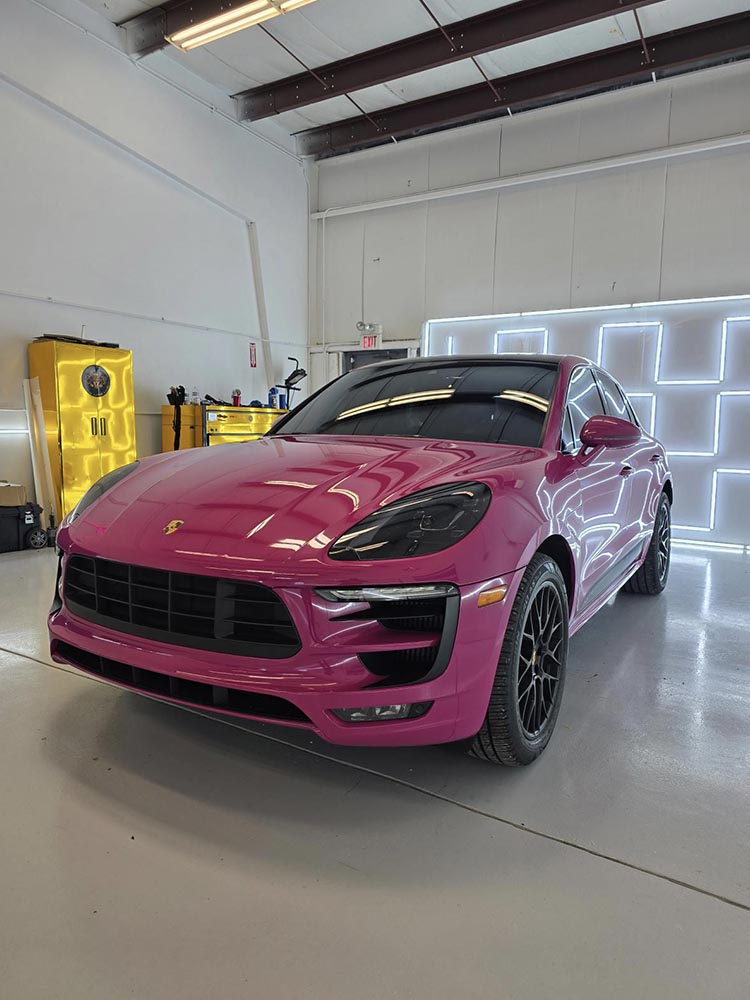
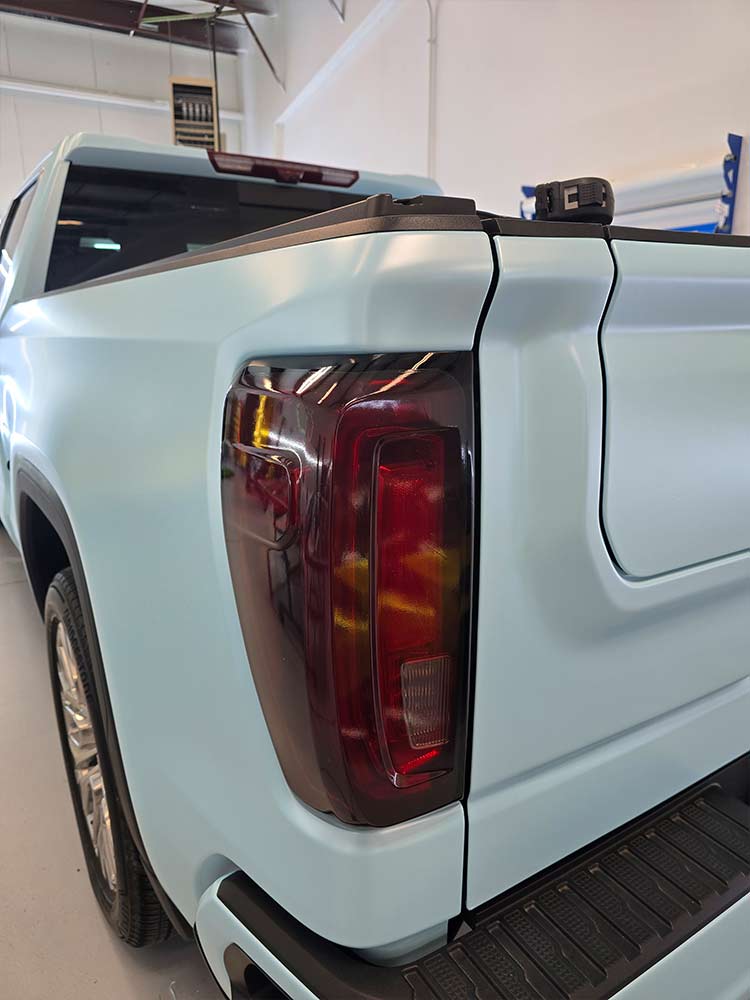
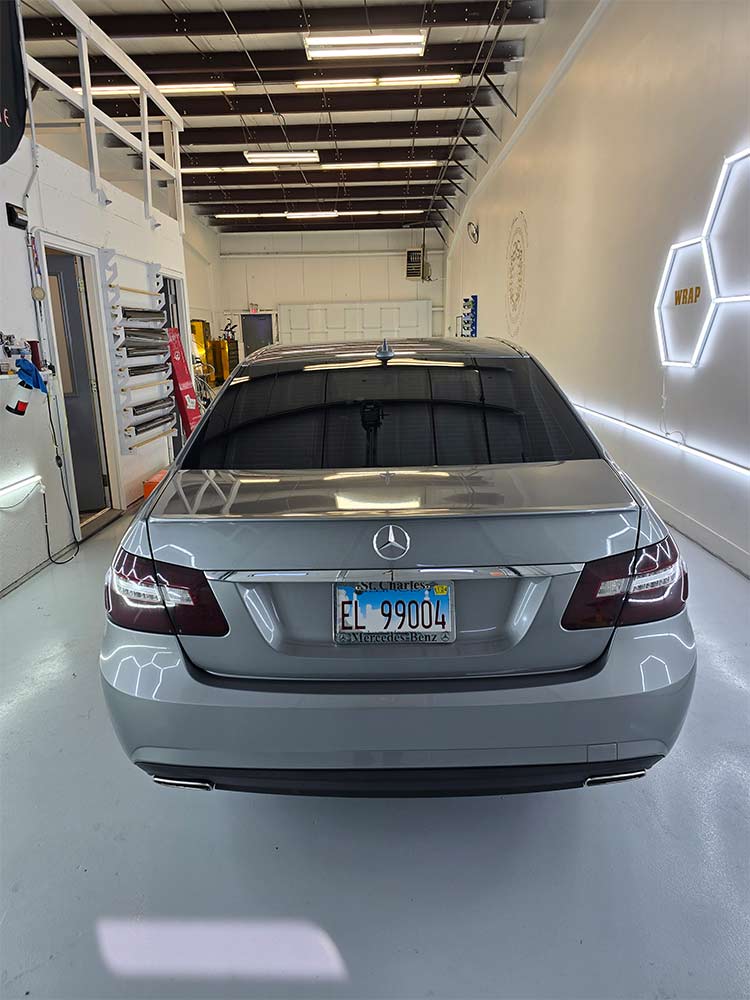
Types of Headlight / taillight Tint
Smoke/Blackout Tint
The most popular type of tint for headlights and taillights, the smoke or blackout film gives the lights a darkened appearance without significantly affecting light output.
Colored Tint
Tints are available in various colors such as red, yellow, blue, or even purple. Colored tints are more commonly used for taillights and offer a unique, custom look.
Matte Tint
A matte finish gives the lights a subtle, non-reflective appearance and is often used for a more understated, sleek look.
Benefits of Tinting headlights and taillights

Aesthetic Appeal
One of the primary reasons for headlight and taillight tinting is to enhance the car's appearance. Tinted lights give a sleek, modern, and custom look to the vehicle, making it stand out.
UV Protection
Tint films offer some protection against UV rays, helping preserve the condition of the lenses and preventing them from yellowing or fading over time.
Glare Reduction
For headlight tints, certain films can reduce the glare produced by headlights, making them less harsh on other drivers.
Improved Contrast and Visibility
Some darker tints can make the vehicle's lights more noticeable against certain backgrounds, enhancing visibility in certain driving conditions.
Increased Durability
The films often act as a protective layer against road debris, chips, and scratches, offering some protection to the underlying light lenses.
Weather Resistance
Tinted films provide an extra layer of protection against harsh weather conditions, including rain, snow, and extreme temperatures, helping to prolong the life of your headlights and taillights.
Headlight / Taillight Tint and legal considerations
Most states and counties have regulations regarding the darkness and reflectivity of headlight and taillight tints. Be sure to check for regulations or restrictions in your area before considering tinting. Some examples include:
Headlights
Tinted headlights cannot obstruct the ability to see clearly at night or in low-visibility conditions. If the tint reduces the brightness of headlights below legal limits, it may be illegal in some areas.
Taillights
Similarly, taillights must be bright enough to ensure other drivers can clearly see the vehicle, especially when braking. Some areas allow darker tints on taillights but set limitations to ensure safety.
Reflectivity
Taillights often need to maintain a certain level of reflectivity to ensure the vehicle is visible at night. Reflective tints may be regulated to ensure they meet these standards.
Inspection and Fines
If the tint on the headlights or taillights is too dark or reduces visibility, a vehicle may fail inspection or be subject to fines.
Get Started Today
Contact Coalition Auto Lab today for a consultation and let’s enhance your vehicle with expert-installed headlight and taillight tinting. Whether you're looking for a sleek, custom look or added protection, our team has the expertise and high-quality materials to deliver outstanding results.